
Builders & Renovations FAQs
What Should I Know Before Building a House? (Part 1)
The "Pre-Dirt" Phase: Construction Planning & Compliance Steps
Building a house isn't about picking out paint colours and floor tiles…not yet, anyway. Before a single shovel hits the dirt, you’re in a minefield of council red tape, soil reports, and budget traps. Get this wrong, and you’re burning money before the slab is even poured!
If you get these early steps wrong, you’ll be bleeding cash before the home construction even begins. This is where buyers do the homework to make sure their successful build doesn't turn into a structural headache. Whether it's your first home or a knockdown rebuild, the building process starts long before the frames go up.
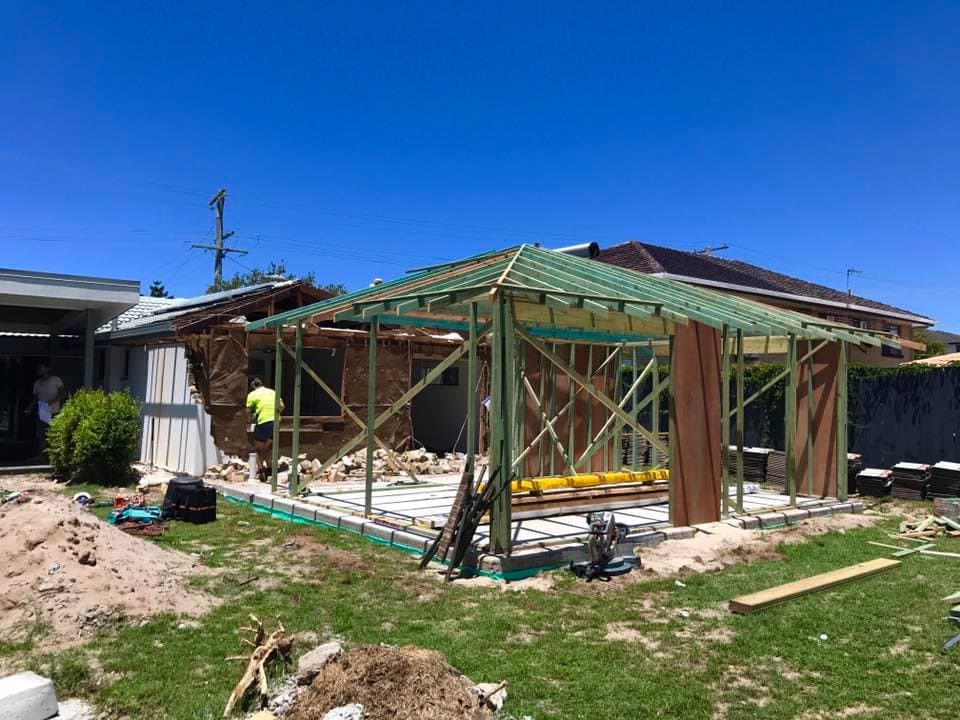
The Land & House Site: It’s Not Just a Piece of Dirt
Buying a block because it has a "nice view" is the fastest way to blow your finances before you’ve even picked a kitchen sink. On the Gold Coast and the Tweed, the land tells you what you can build, not the other way around. Finding the ideal location is only half the battle; the other half is making sure the ground is actually buildable.
🌱 The Soil Trap: A Vital Step for Every Home Builder
You can’t see what’s under the grass. If you’ve got reactive clay or uncontrolled fill, your foundation costs will skyrocket. We always say: get a soil test before you fall in love with the block.
🌱 The Slope Factor: Hidden Construction Costs
Flat land is easy. Sloping blocks are where the big "hidden" costs live: retaining walls, specialised drainage, and tiered slabs. If you're looking at house and land packages where the block is cheap but steep, you’ll likely spend the "savings" just getting the ground level.
🌱 Orientation Matters for Home Design
If you build your main living areas facing the blistering afternoon sun without a plan, you’ll spend a fortune on aircon. During the design phase, we look at the aspect to catch the cross-breezes and the morning light instead; small choices now save big money later
🌱 Services & Easements: Advice for Land Buyers
Don’t assume you can build right to the fence. Underground sewer lines or council easements can kill your dream of a backyard pool or a granny flat. Check the title search before you sign the contract so you know you've found the perfect home site.
Council & Zoning: The Home Building Red Tape Reality
You might own the land, but the council usually has the final say on what goes on it. Whether you’re dealing with Tweed Shire, Gold Coast, or Brisbane City Council, the red tape is real, and it varies block by block.
🚧 Zoning 101: Knowing Your Land Limits
Just because the neighbour has a duplex doesn’t mean you can build one. Zoning laws change, and "setbacks" (how far you have to stay from the street) can eat up your building envelope fast. These are the important things to suss out before you get too deep into the construction process.
🚧 The Border Split: Energy Efficiency & BAL Ratings
NSW and QLD have different rules for everything from bushfire ratings (BAL) to energy efficiency (BASIX). If your builder doesn't know the specific state code for your street, you're looking at months of delays.
🚧 Hidden Overlays: Impact on Your Dream House
Is your block in a flood zone? Is there a heritage overlay? These aren't deal-breakers, but they require specific engineering and extra hoop-jumping that adds time and cost to the project.
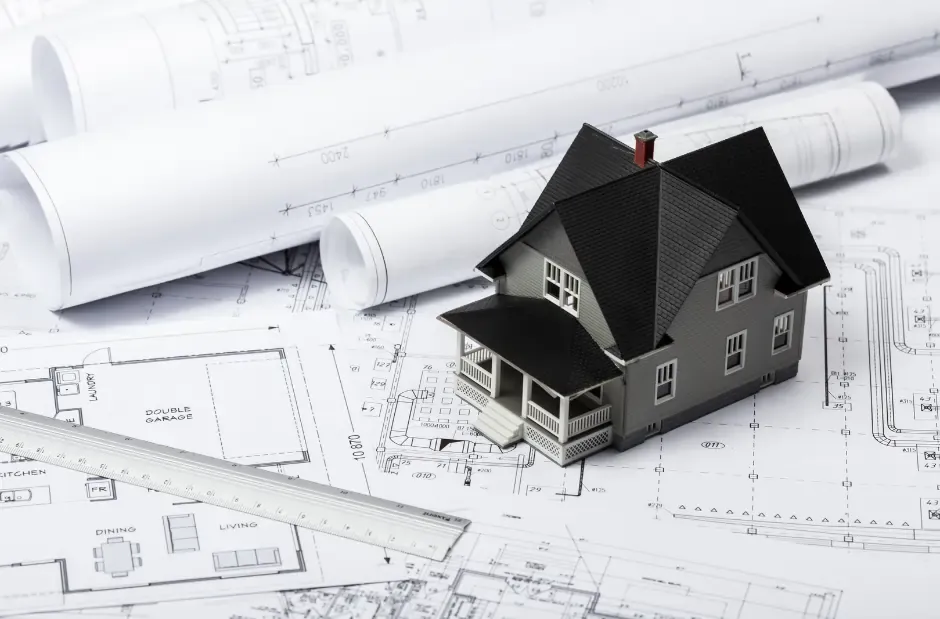
Budgeting for a Custom Home: The "Hidden" 20%
If you go into a build with exactly enough money to cover the quote, you’re already behind. A fixed-price contract is the goal, but there are always external costs that catch first home buyers off guard. Setting a realistic budget is about more than just the build price.
💲 Site Costs: The Big Home Building Unknown
Your builder’s "standard" price usually assumes a flat, clean block of dirt. Rock excavation, clearing heavy scrub, or upgrading the slab for poor soil can add $20k to $50k before the first brick is laid.
💲 The BAL Tax: Safety in Construction
If your block is near bushland, you’ll have a Bushfire Attack Level (BAL) rating. Higher ratings mean you’re legally required to use quality materials like toughened glass, specific cladding, and ember-proof mesh. It’s for your safety, but it isn’t cheap.
💲 Don't Forget the Finish: Move-in Steps
Most builder quotes stop at the front door. You need to budget for the post-handover stuff: driveway, landscaping, fencing, and window coverings. If you don't account for these, you'll be living in a nice house surrounded by a dirt patch.
💲 The Contingency Fund
Always keep a 10% to 20% buffer in the bank. This isn't for "extra" luxuries; it’s for the stuff you can't see, like a council-mandated drainage upgrade or a sudden price hike in materials.
Custom Home Design vs. Reality: Making it Functional
A floor plan might look great on a screen, but if it doesn't work for your lifestyle or the local climate, it's a waste of money. Whether you work with an architect or a designer, the design phase is where the perfect home is truly won or lost.
🏡 Catalogue Homes vs. Custom Builds
Big project home designs are made for flat, square blocks in suburbs. If you try to force one of those onto a tricky Tweed hill or a narrow canal site, you’ll end up with massive variation costs.
🏡 Floor Plan Flow and Ventilation
You want the house to breathe. We focus on "passive design", placing windows and doors where they’ll actually catch the breeze, so you aren't a slave to the air conditioner six months of the year.
🏡 Future-Proofing your Dream Home
Think about five or ten years down the track. Can that home office become a nursery? Is there space for a granny flat if the parents move in? Building it right the first time is a lot cheaper than trying to add on later.
Ready to Start Your Build?
Don’t risk your life savings on a "guess". From finding the ideal location to navigating the design phase, getting the pre-dirt steps right is the difference between a successful build and a budget blowout.
Want a realistic look at your project? Talk to an experienced local builder at Symcorp on 1300 043 012 today.
Ready for the build? Read Part 2: The Construction Phase here.
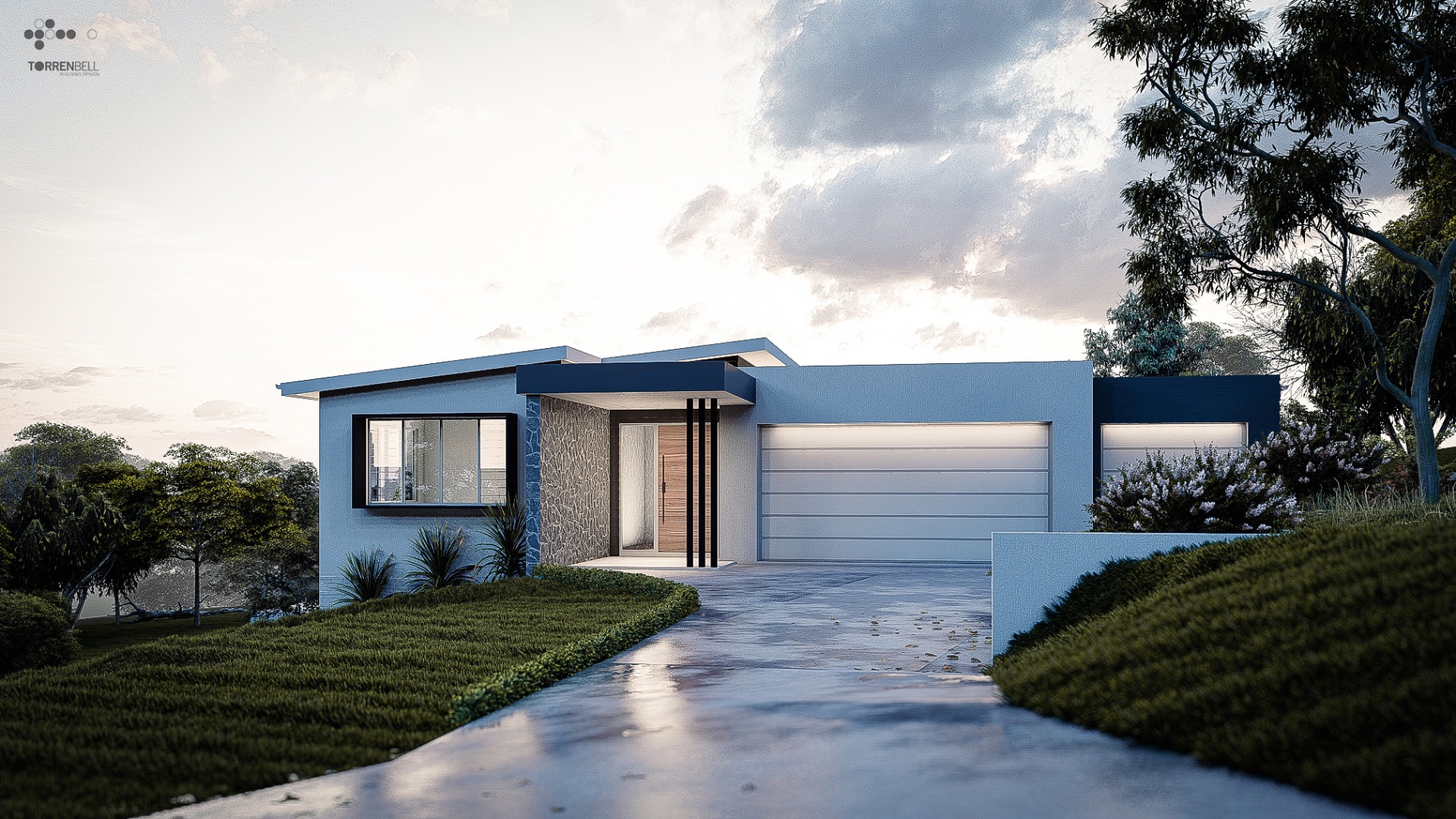
Resources:
Your Home - Building a Home
realestate.com.au - The Ultimate Guide in Building a New Home
QBCC: Homeover's Guide to Building & Renovating
QLD Gov: Building a HomeNSW Gov: Preparing to Build or Renovate
NSW Gov: Build - My Home Planner