
Builders & Renovations FAQs
What should I know before building a house (Part 2)
This home building article is a part of our 2-part series of "Building a New Home Guide". If you haven't already we recommend reading Part 1 first: The Construction Planning & Compliance Steps.
The "Construction" Phase: Your Custom Home Build & Handover Guide
You’ve got the land and the floor plan. Now comes the part where most people get stressed. This construction process is about managing the humans and the hammers to turn those drawings into your perfect home.
Once the paperwork is signed and the fences go up, the dream becomes a construction process. This part is loud, it’s messy, and it’s where your relationship with the right builder is truly tested.
You need to know how the home construction stages work, not just so you can track progress, but so you know when it’s time to pay the bills and when it’s time to ask questions.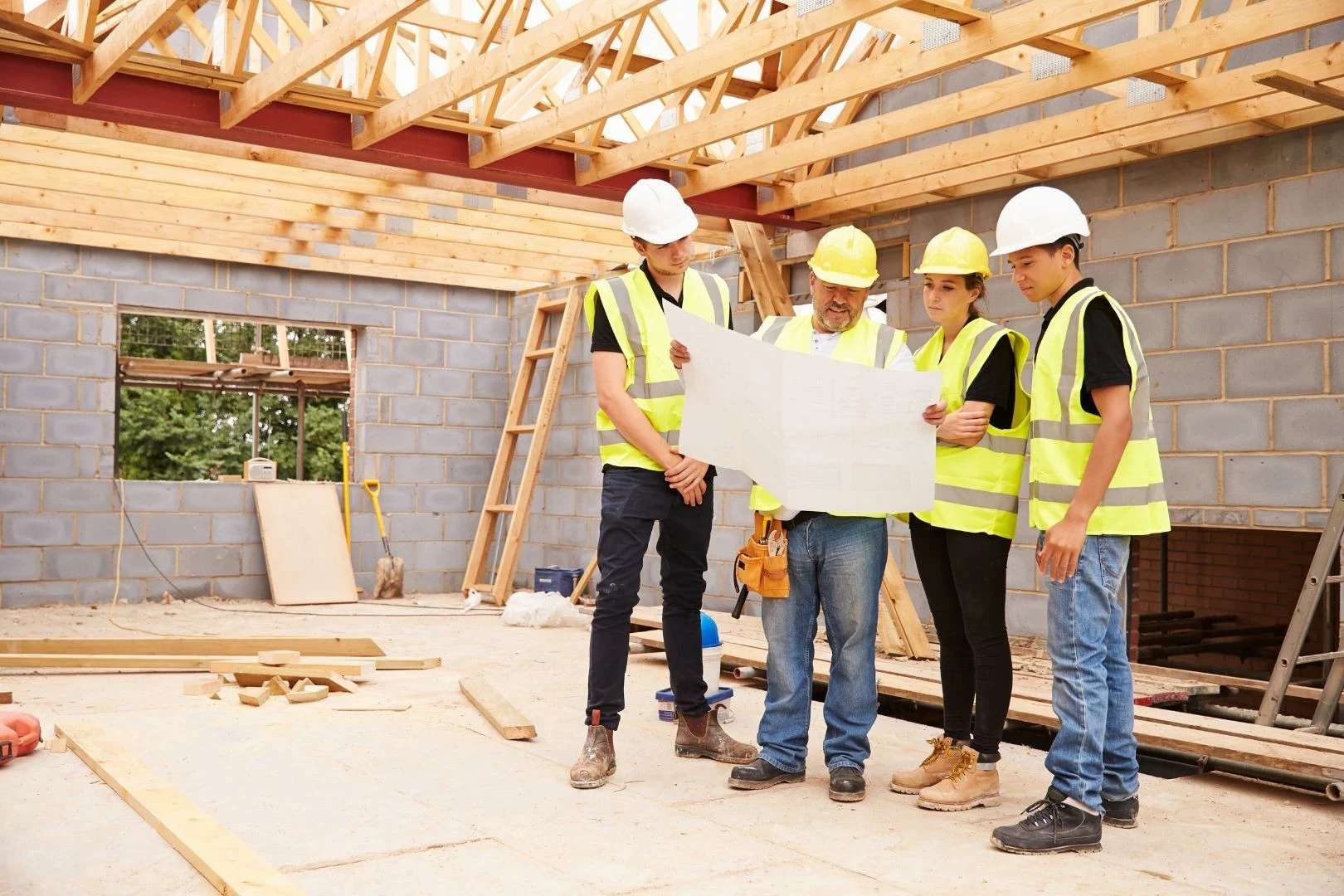
Choosing the Right Home Builder: Beyond the Quote
The cheapest quote is often the most expensive mistake you’ll ever make. If a home builder is $100k lower than everyone else, they’ve either missed something or they’re planning to hit you with 'variations' once the construction process is already underway.
You aren't just looking for a price; you're looking for an experienced builder who uses quality materials and gives you a realistic budget from day one!
🤔 Check the License (and the State): Essential Planning Steps
This is non-negotiable. Check the QBCC (QLD) or NSW Fair Trading portal. Make sure they’re actually licensed for the type of work you’re doing (whether it is a new build or a knockdown rebuild) and that their insurance is current.
🤔 Site Visits: Important Things for Buyers to See
Don't just look at glossy photos. Ask to see a current project site. Is it clean? Are the tradies actually working? A messy, dangerous site usually means a messy, dangerous build.
🤔 The "Gut" Test: Finding Your Ideal Home Building Partner
You’re going to be talking to this person for the next 6 to 12 months. If they don't answer your calls now or they talk over you during the first meeting, it’s only going to get worse once the contract is signed. This is especially true for first home buyers who need a builder they can trust.

The Contract: Understanding the Stages
Standard home building contracts aren't written in plain English. You need to know exactly what you’re signing before you put pen to paper.
📝 PC vs. PS – Know the difference to Protect Your Budget
Prime Cost (PC): An allowance for items not yet chosen (like your taps, tiles, or quality materials).
Provisional Sum (PS): An estimate for work that hasn't been fully costed (like earthworks).
💥Pro tip: If a home builder gives you a "low" quote but includes tiny PC allowances, they are just low-balling you to get the contract signed.
📝 The Payment Schedule & Finance
In home construction, you pay in stages as the work is completed. It keeps the finance flowing and ensures the building process stays on track.
The typical steps are: Deposit, Slab, Frame, Enclosed (Lock-up), Fixing, and Final.
💥The Golden Rule: Never pay for a stage that isn't actually finished. An experienced builder will encourage you to walk the site at each milestone to see the quality materials and the structural guarantee coming to life before you release the next payment.
📝 Liquidated Damages: Keeping the Home Building Schedule on Track
This is a fancy term for what the builder owes you if the construction process runs over time without a valid reason. It’s essentially a penalty to keep the home building schedule on track.
Make sure there’s a fair 'per day' amount in the contract to cover your extra rent or mortgage costs; it’s one of the most important things to check before you sign.
The Build Timeline: What Actually Happens
If a builder promises a six-month turnaround for a custom home, they’re usually dreaming. Between the weather and the supply chain, building is a marathon, not a sprint.
⏳ The "Paper" Gap
Don’t expect the slab to be poured the day you sign the contract. Council approvals, engineering sign offs, and Construction Certificates can take weeks or months. This is the quiet period that drives home owners crazy.
⏳ The Weather Factor
We live in South East QLD: it rains. A week of heavy rain doesn't just stop work for seven days; it turns the site into a swamp that takes another week to dry out so the heavy gear can get back onsite. An experienced builder will factor these 'rain days' into your home building schedule so you aren't left guessing.
⏳ The Sequence: From House Frame to Energy Efficiency
You’ll see a massive burst of energy during the slab and frame stages, then things seem to slow down once the ‘rough-ins’ (plumbing and electrical) start. This is normal. The detailed stuff inside the walls takes time to get right.
Looking for expert help? Contact our experienced Gold Coast Builders today
Variations & The Finish Line
This is where the budget usually bleeds. A variation is any change you make after the contract is signed, and it’s almost always an extra cost.
The best tips for a successful build? Lock in 99% of your choices during the design phase so the construction process stays on budget.
🏁 Change of Mind Costs: Finalising the Home Design
Deciding to move a wall in the layout or swap a window once the frame is up is a killer. It’s not just the materials; it’s the ‘re-work’ labour and the admin fees. Get your design 100% sorted before the first shovel hits the dirt.
🏁 Practical Completion Inspection (PCI)
This is the walk-through. Don't get blinded by the shiny new kitchen. Check the door seals, look for scratches on the glass, and make sure the hot water actually works. This is your chance to list snags before the final payment.
🏁 The Handover
You get the keys, the warranties, and the certificates for your dream home. But remember: a new house ‘settles’. Minor hairline cracks in the plaster or slight door movements are normal as the timber dries out. A good builder will have a 6-month or 12-month maintenance period to come back and tweak those things.
Ready to Turn Your Plans Into Reality?
The construction process is a marathon, not a sprint. From the first slab pour to the final structural guarantee sign-off, having the right builder makes all the difference. Don't leave your dream home to chance: make sure your successful build stays on track and on budget.
Want a realistic look at your project? Call Symcorp Design & Build today on 1300 043 012 or complete our enquiry form.
Resources:
Your Home – Building a Home
realestate.com.au – The Ultimate Guide in Building a New Home
QBCC: Homeowner's Guide to Building & Renovating
QLD Gov: Building a HomeNSW Gov: Preparing to Build or Renovate
NSW Gov: Build – My Home Planner