
Builders & Renovations FAQs
How long does it take to build a new home?
If you're wondering how long does it take to build a custom home in QLD, you're not alone. It's one of the first questions homeowners ask when planning their dream home, and unfortunately, one of the hardest to answer with a single number.
For most custom home builds in Queensland, you should allow approximately 12 to 18 months from your first meeting with your builder through to practical completion and handover. The construction phase itself is often completed within 8 to 12 months, while the remaining time is spent on planning, design development, engineering, council approvals, documentation and site preparation.
Some straightforward projects progress much faster, while larger luxury homes, canal homes, sloping blocks and knock down rebuilds can naturally take longer due to their additional design and approval requirements.
The important thing to remember is that building a custom home isn't simply about how quickly construction starts. A well-planned project usually leads to a smoother build, fewer unexpected delays and a better finished home.
The Typical Custom Home Build Timeline in Queensland
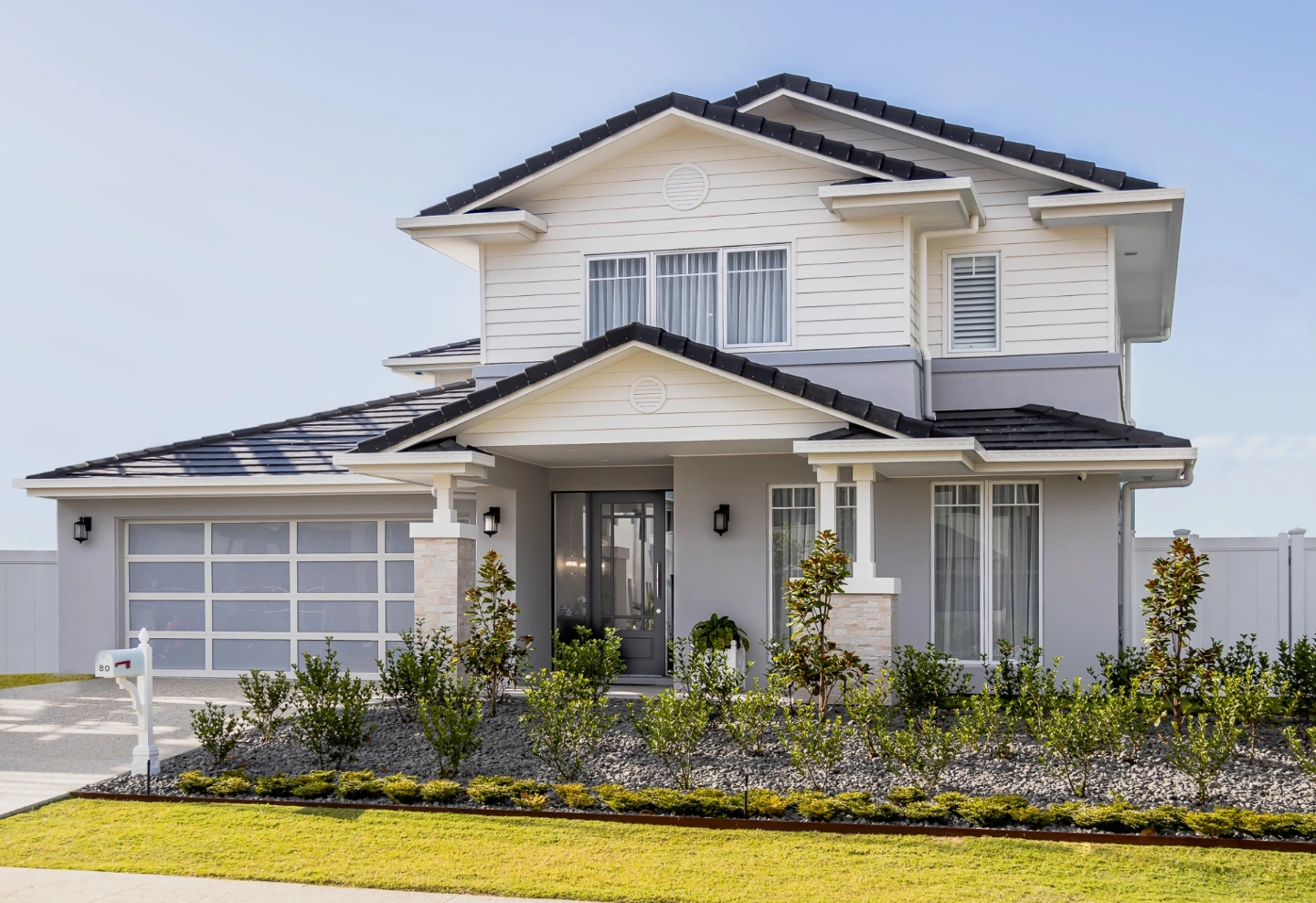
While every project is different, a typical new home build timeline looks something like this:
|
Stage |
Typical Timeframe |
|
Initial consultation & planning |
1–3 weeks |
|
Design development & floor plans |
4–10 weeks |
|
Engineering & documentation |
3–8 weeks |
|
Council approvals & certification |
4 weeks to several months |
|
Site preparation |
2–4 weeks |
|
Construction |
8–12 months |
|
Practical completion & handover |
1–2 weeks |
These timeframes are intended as a guide only. Your actual build time will depend on factors such as the complexity of the home, local council requirements, weather conditions and how quickly key decisions are made throughout the project.
One of the biggest misconceptions is that construction begins shortly after signing a building contract. In reality, much of the work happens before the first excavator arrives on site.
Why There Isn't a Simple Answer
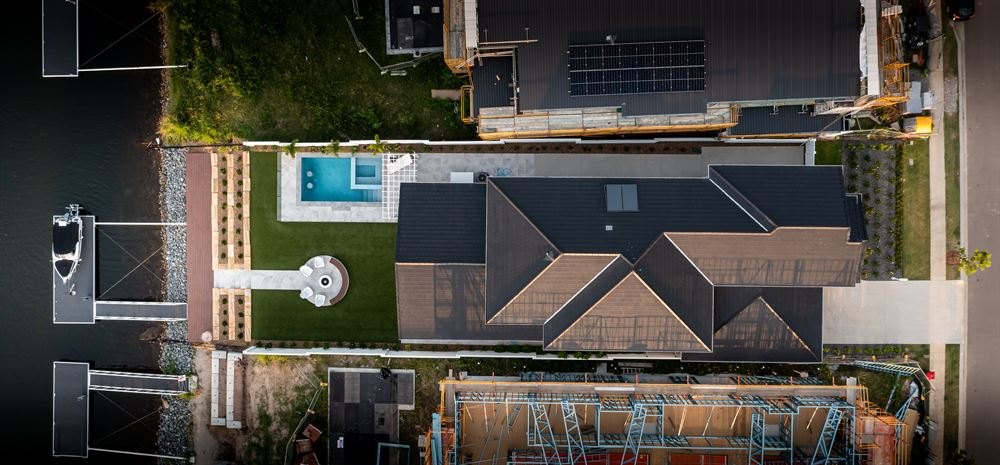
If you've searched online for average construction time in Australia, you've probably seen everything from eight months to two years.
The truth is, they're all correct.
A custom home isn't built from a standard set of plans like many project homes. Every home is designed around the owner's lifestyle, block of land, budget, and vision. That means every project follows its own timeline.
Some homeowners already have architectural plans prepared and their finances approved before meeting a builder. Others begin with nothing more than an idea and a piece of land.
Similarly, building a single-storey home on a flat suburban block is very different from constructing a luxury canal home, building on a steep hillside or undertaking a knock-down rebuild in an established neighbourhood.
Rather than focusing on the number of months alone, it's more helpful to understand what actually influences your build timeline, and which parts of the process your builder can help manage.
The Design Phase: Time Invested Early Saves Time Later
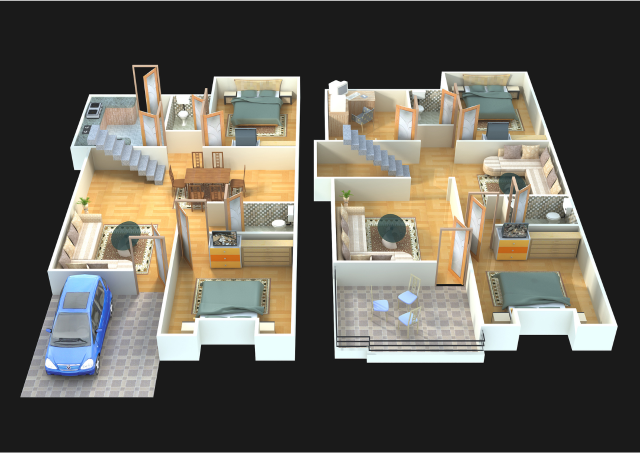
Many homeowners are eager to see construction begin, but one of the smartest investments you can make is allowing enough time for the design phase.
This is where your floor plans, engineering requirements, finishes and overall vision are carefully developed before construction begins.
Rushing this stage often creates problems later.
At Symcorp, we've found that spending more time on careful planning and design development helps reduce variations, avoids costly redesigns during construction and gives trades the information they need before work begins.
It's one of the reasons we encourage clients to involve their builder early, rather than waiting until plans are already finalised. Identifying structural requirements, construction challenges and site-specific considerations during the planning stage is much easier than trying to solve them once the slab has already been poured.
Although this early planning can add a few extra weeks before construction begins, it often saves considerably more time throughout the rest of the project.
Council Approvals Are Often the Biggest Unknown

One of the most common concerns we hear from homeowners is:
"Why hasn't construction started yet?"
In many cases, the answer has nothing to do with the builder.
Before work can commence, your project may require engineering, energy assessments, soil testing, certification and council approvals depending on the location and complexity of your home.
These approvals are managed by external authorities, meaning the timeline is often outside a builder's direct control.
Some straightforward projects progress through planning and approvals relatively quickly, while others may require additional reports, revised documentation or assessments before approval is granted.
The good news is that an experienced builder can still make a significant difference.
Submitting complete documentation, coordinating consultants early and anticipating council requirements helps minimise unnecessary delays and keeps your project moving wherever possible.
At Symcorp, our team manages this process on your behalf, keeping you informed while working closely with consultants, certifiers and local authorities to move your project through the approval process as efficiently as possible
What Can Delay a Custom Home Build?
While every custom home follows a different timeline, there are a handful of factors that have the biggest influence on how quickly your project progresses. Some are outside anyone's control, while others can be significantly reduced through careful planning and communication.
Site Conditions and Site Preparation
Every block of land is different, which means every project begins differently.
A flat suburban block with good access will usually move through site preparation much faster than a sloping block, waterfront property or site requiring retaining walls, excavation or additional engineering.
For example, homes built on sloping blocks often require more detailed structural design and foundation work before construction can begin. Likewise, canal homes or waterfront properties may have additional engineering requirements that influence the overall timeline.
These aren't necessarily delays—they're simply part of building a home that has been designed specifically for its location.
Weather and Construction Schedules
Queensland's climate is another factor that can influence construction time.
Heavy rainfall, storms and extreme weather can temporarily pause earthworks, foundation work, slab pours or external construction activities. While builders carefully plan construction schedules, some stages simply can't be completed safely or to the required standard during poor weather.
The advantage of working with experienced local builders is that they understand seasonal conditions throughout South East Queensland and sequence work to minimise disruption wherever possible.
Material Availability
Although supply chains have improved considerably since the disruptions experienced during COVID, certain products can still have extended lead times.
Imported appliances, specialist fixtures, custom joinery or unique architectural products may all require additional planning to ensure they're available when needed.
Ordering these items early and confirming selections before construction begins helps reduce the risk of unnecessary delays later in the project.
Client Variations
One of the most common causes of extended build timelines is changing your mind once construction has already started.
Whether it's relocating a wall, changing cabinetry, upgrading windows or selecting different finishes, post-contract variations often require updated drawings, engineering, ordering new materials and rescheduling trades.
That's why we encourage clients to spend the time upfront making key design decisions. While it can feel like the planning stage is taking longer, it usually creates a much smoother construction process.
What Can Your Builder Actually Control?
One of the biggest misconceptions about building a custom home is that your builder controls every part of the timeline.
The reality is that some stages rely on external authorities, consultants or suppliers. However, an experienced builder can still make a significant difference by planning ahead, communicating clearly and keeping every part of the project moving.
|
Factors outside a builder's control |
How an experienced builder helps |
|
Council approvals |
Preparing complete documentation and coordinating consultants early |
|
Weather |
Sequencing trades and adjusting construction schedules where possible |
|
Material lead times |
Ordering products early and monitoring supplier timeframes |
|
Engineering requirements |
Identifying structural considerations during the design phase |
|
Client decisions |
Helping finalise selections before construction begins |
|
Site conditions |
Investigating the site thoroughly before work starts |
This is where experience really matters.
Good builders don't promise that nothing will ever change. Instead, they focus on identifying potential challenges early and managing them before they become major delays.
Can a Custom Home Really Be Built in Eight Months?
Sometimes, yes.
One recent Symcorp client moved from slab to handover in just eight months, despite building a fully customised home.
As Andrew, one of our recent custom home clients, explained:
"We went from the slab to moving in in eight months... we're surrounded by new builds and the people around us are in awe at the speed at which this house went up."
It's important to understand what this means.
That eight-month timeframe refers to the construction phase, not the entire journey from the first consultation through to approvals, documentation and design development.
By the time construction began, the planning had already been completed, allowing the project to move efficiently through each stage.
We recommend embedding Andrew's testimonial video here so readers can hear his experience firsthand.
How Symcorp Helps Keep Your Build Moving
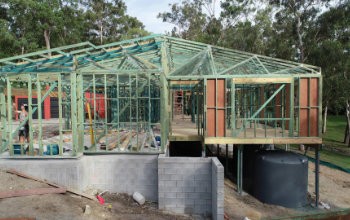
While no builder can control the weather or council approval timeframes, we believe the building experience should never leave you wondering what's happening next.
That's why our approach focuses on preparation, communication and transparency from day one.
When you build with Symcorp, you'll benefit from:
- Early involvement during the planning and design phase
- A dedicated Site Supervisor managing your project
- Weekly communication throughout construction
- Daily site updates and photographs through Buildertrend
- Clear timelines and milestone tracking
- Practical completion inspections before handover
Our goal isn't simply to build homes quickly.
It's to build them efficiently, with fewer surprises, fewer unnecessary delays and complete transparency throughout the process.
If you'd like to understand exactly what happens after construction begins, we recommend reading our Home Building Process guide, which explains every stage from your initial consultation through to final handover.
Frequently Asked Questions
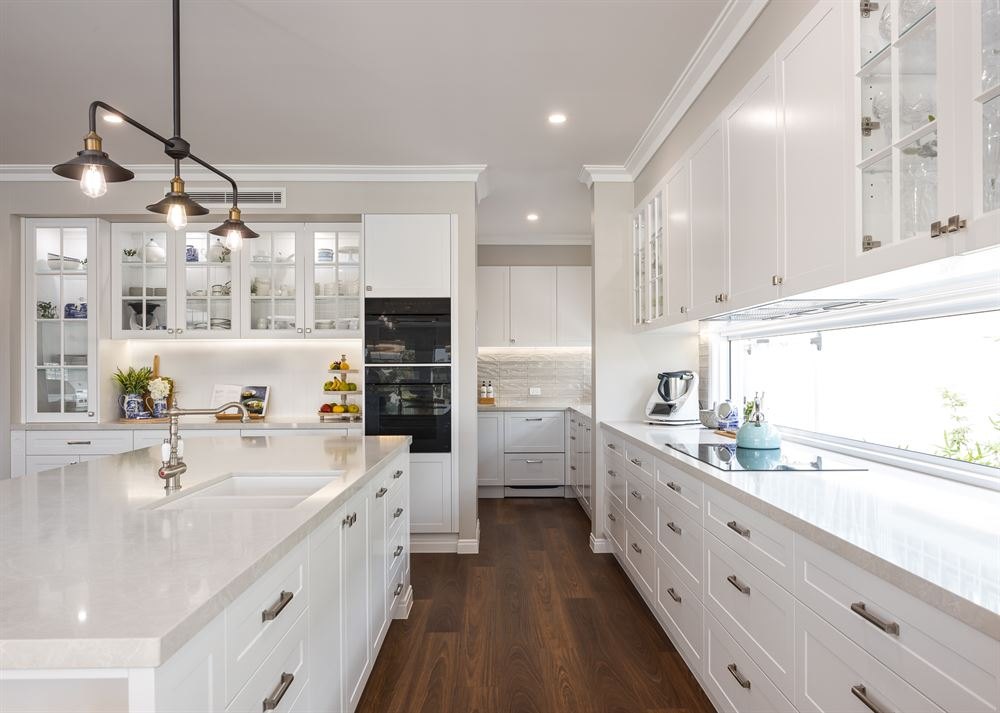
How long does it take to build a custom home in Queensland?
Most custom homes take approximately 12 to 18 months from the initial consultation through to handover. The actual construction phase is commonly around 8 to 12 months, although complex projects may take longer depending on approvals, site conditions and design complexity.
What is the average build time for a new home?
The average build time varies depending on whether you're building a standard project home or a fully custom home. Project homes generally move through construction faster because they're based on pre-designed floor plans, while custom homes require additional planning, engineering and design development.
What causes the biggest delays during a custom home build?
The most common factors include council approvals, weather, complex site conditions, material availability and client-requested design changes after construction has begun.
Can building on a sloping block take longer?
Yes. Sloping blocks often require additional engineering, excavation, retaining walls and specialised foundation work, which can increase both planning and construction time.
How can I help keep my project on schedule?
One of the best ways is to complete as many decisions as possible during the planning stage. Finalising your floor plans, fixtures, finishes and product selections before construction begins helps reduce variations and keeps trades working to schedule.
Build with Confidence, Not Guesswork
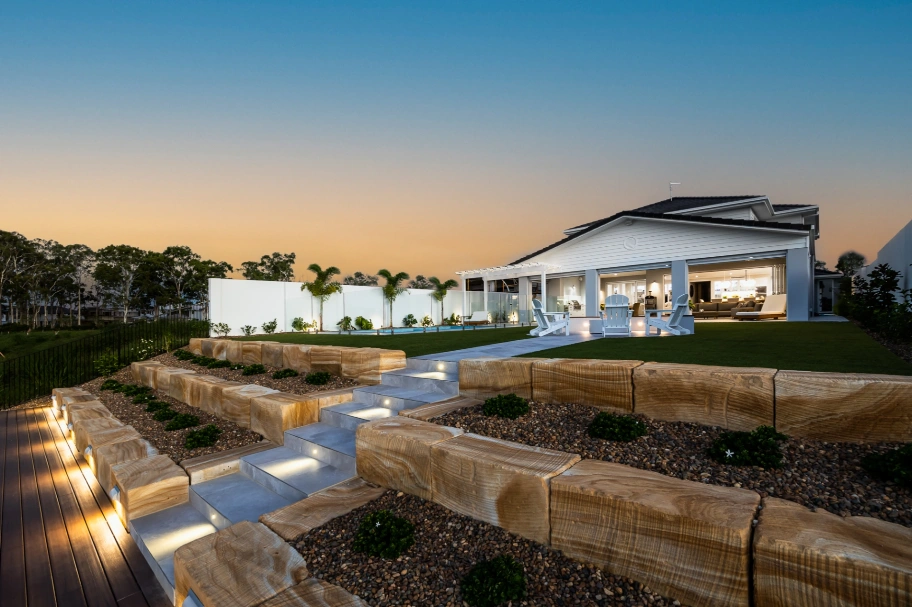
Building a custom home is one of the biggest investments you'll ever make, so it's natural to want a clear timeline before construction begins.
While every project is different, one thing remains consistent: the best outcomes are usually achieved through careful planning, realistic expectations and open communication.
At Symcorp, we work closely with our clients from the earliest design conversations through to practical completion, helping identify potential challenges early and keeping every stage of the project moving as smoothly as possible.
If you're planning to build a custom home on the Gold Coast or across South East Queensland, we'd be happy to discuss your project, explain the likely timeline for your specific site and help you take the next step towards building your dream home.