Builders & Renovations FAQs
Benefits of Building a New Home Instead of Buying
Why Does Buying an Existing Home Often Involve Compromise?
Buying an existing house often means weighing up the pros and cons and deciding what you can live with. The layout may not suit your needs, the design might feel dated, or changes may be required before it feels like your dream home. For many buyers, especially a first home owner, this can raise questions around home loans, renovation costs, and how much flexibility there really is. Building a new home shifts that balance. From the early construction stages through the full building process, you have greater customisation and access to clear information about costs, timelines, and inclusions, helping you create a home that fits your lifestyle from the start.
This guide explains the key advantages of building, along with the drawbacks to consider, so you can decide what suits you best.
What Are the Advantages of Building?
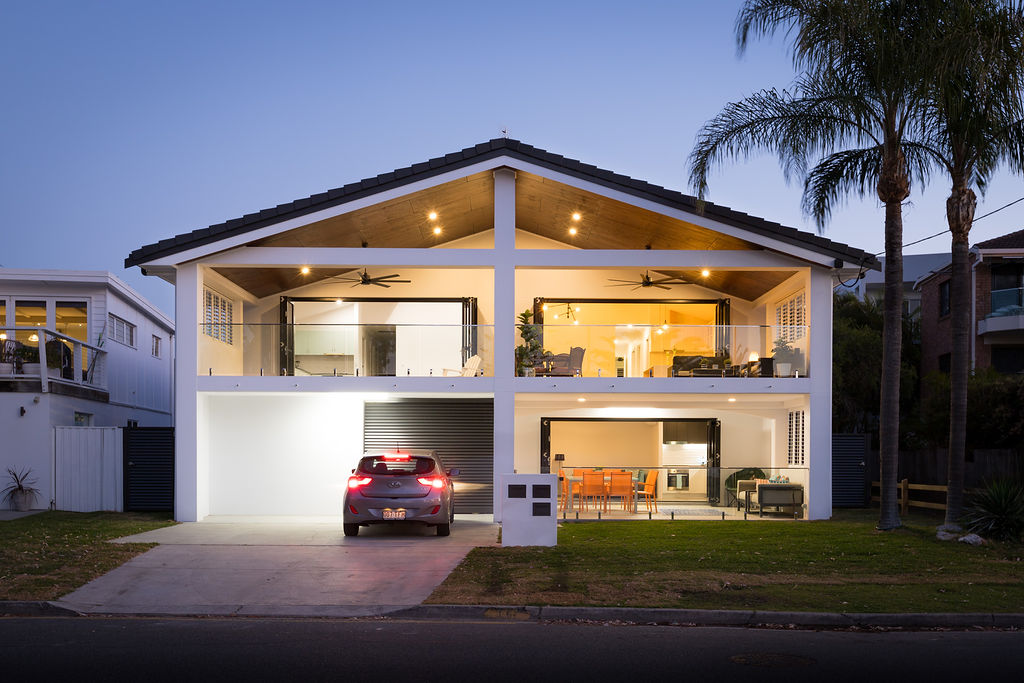
One of the biggest advantages of building a new home is control. You start with a blank slate. Instead of adapting to someone else’s choices, you can create a custom home that reflects how you actually live.
Building allows you to choose the design, layout, and number of bedrooms that suit your family. You decide how large each space should be. You also choose the features that matter most to you, whether that is open living areas, storage, or outdoor space.
Another significant advantage is that everything is brand new. There is no wear and tear. You are not inheriting old problems or hidden issues. This gives peace of mind, especially in the early years.
What Is the Importance of Building?
The importance of building lies in long-term value. A newly built home is designed for modern living. This includes efficient designs, updated building standards, and better use of space.
When you build, you also have more location flexibility. You can choose land that suits your lifestyle, whether that means being close to schools, work, or outdoor areas. This is often harder when buying, as you are limited to what is already available.
Building also allows you to plan for the future. You can design your home to grow with your needs, rather than outgrowing it in a few years.
What Are the Benefits of Building a New House?
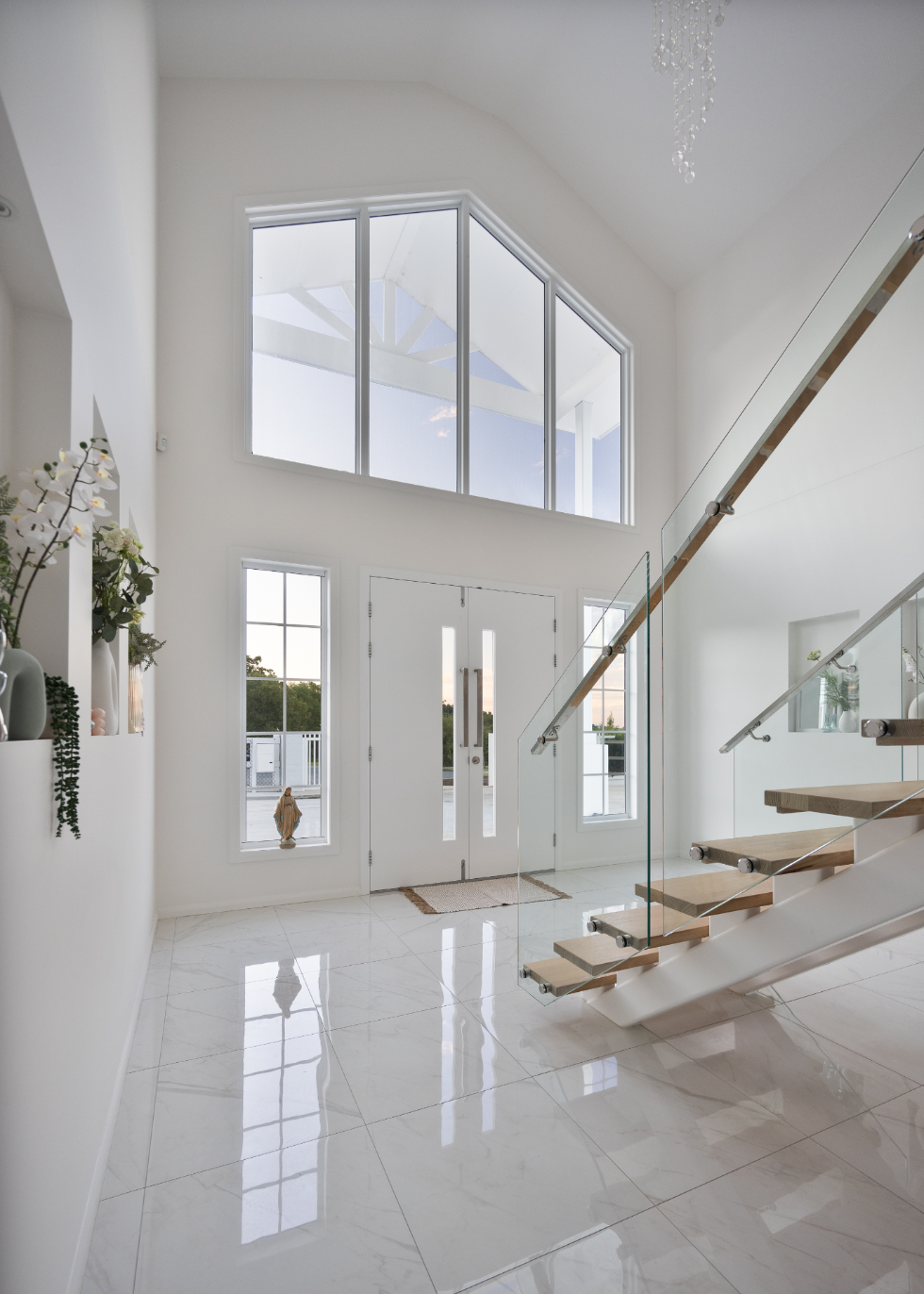
There are many financial benefits to building a new house. While the upfront costs can feel high, new homes often cost less to maintain. Repairs are minimal early on. Appliances, plumbing, and electrical systems are new and covered by warranties.
New homes are also cheaper to insure in many cases. Insurance providers often see them as lower risk compared to older properties.
Another benefit is resale values. A well-designed new home built with quality materials can hold strong appeal in the market. Buyers often prefer modern layouts and energy-efficient homes.
Custom Home Design and Lifestyle Benefits
A custom home allows you to design around your lifestyle, not the other way around. This is a major reason people choose to build.
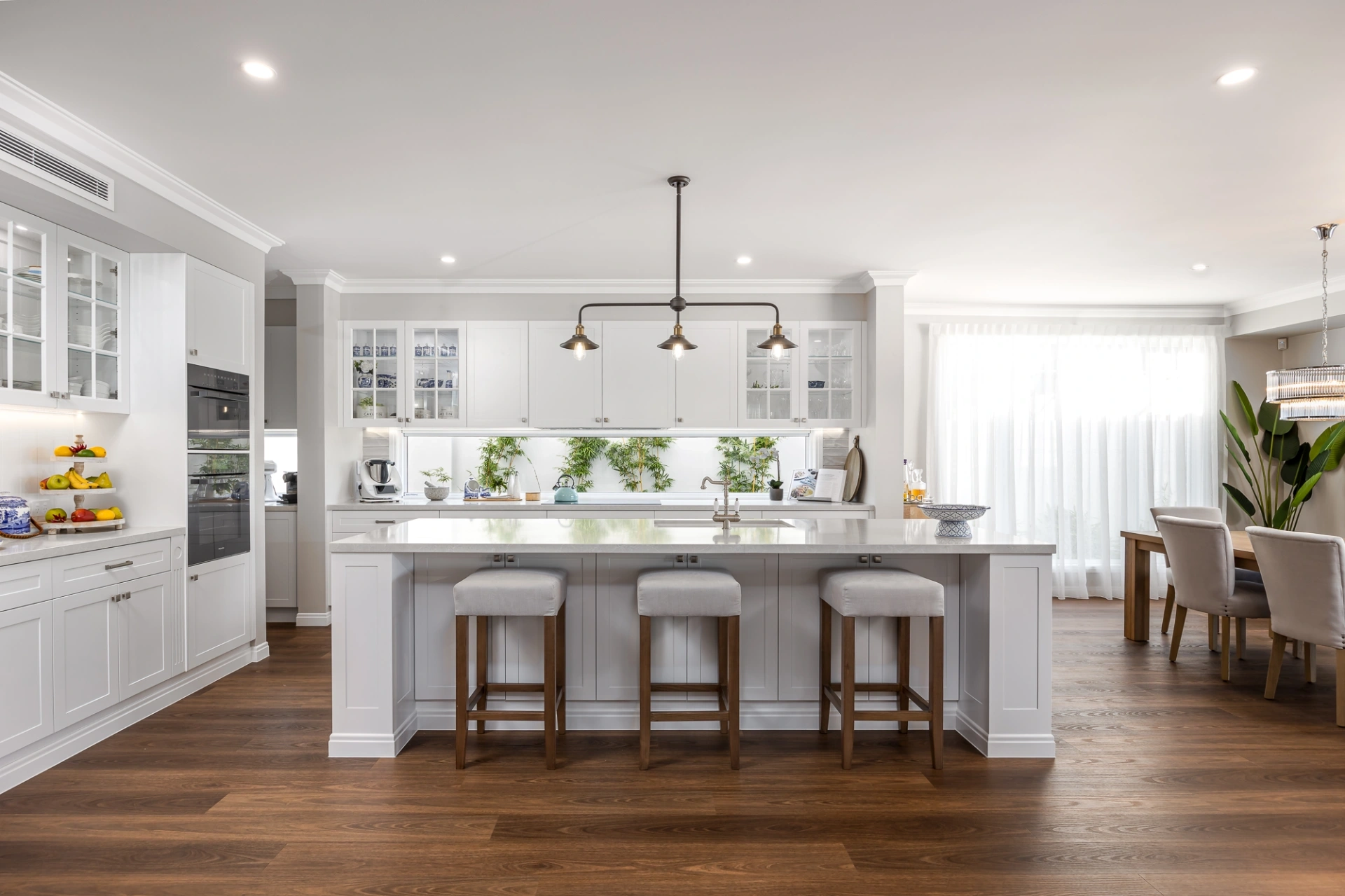
You can plan how the rooms connect. You can position living areas for light and airflow. You can design bedrooms to suit children, guests, or working from home. These choices are hard to change in an existing property.
Display homes can be helpful at this stage. They give ideas for layouts and features. However, a custom build allows you to adjust these ideas to suit your land and personal needs, rather than copying a standard plan.
Land Packages and Location Choice
Building starts with land, and that choice matters. The size, shape, and slope of land can affect design and cost. Most people consider between 3–5 land options before deciding.
Land packages and house and land packages can simplify the process. They bundle land and build costs together, which helps with budgeting. However, they may limit design freedom.
Buying land separately gives more control. It allows for greater design flexibility and better use of the site. This is especially useful if location is a priority.
Efficient Designs and Energy Benefits
New homes benefit from efficient designs. Modern building standards focus on insulation, ventilation, and layout. This can reduce energy use and lower running costs.
Energy-efficient homes are more comfortable to live in. They stay cooler in summer and warmer in winter. Over time, these savings add up.
Efficiency is also attractive to future buyers, which can support resale value.
Costs, Delays, and Drawbacks to Consider
It is important to understand the drawbacks as well as the advantages.
Building can involve project delays. Weather, approvals, and supply issues can affect timelines. While many delays are manageable, they can be frustrating.
There can also be unexpected costs, especially if site conditions are complex or changes are made during construction. Choosing an experienced home builder and having a clear contract helps reduce this risk.
Another disadvantage is that building takes time. Buying an existing home is usually faster, which may suit people who need to move quickly.
Advantages and Disadvantages Compared to Buying
Buying an existing home has its own advantages. You can see exactly what you are getting. The home is ready to live in, and the location is established.
However, buying often means compromise. Layouts may not suit your needs. Renovations can be costly and disruptive. Older homes may require ongoing maintenance and upgrades.
Building gives you the chance to create your perfect home, but it requires patience and planning.
Financial Benefits and Long-Term Value
From a financial point of view, a building can offer strong long-term value. New homes often have lower maintenance costs and better energy performance. These savings can offset higher upfront costs over time.
Modern homes are also easier to insure. Combined with warranties and structural guarantees, this provides added security.
When built well, new homes can achieve strong resale values, particularly in desirable locations.
Making the Right Choice for You
There is no single right answer. The best option depends on your goals, budget, and timeframe.
If you value control, flexibility, and modern living, building offers clear advantages. If speed and certainty matter more, buying may be the better choice.
Understanding the advantages of building, as well as the disadvantages, helps you make a confident decision.
Key Information to Consider When Choosing a Builder and Home Features
When weighing up your options, having the right information helps you make a confident decision. Comparing home features, builder experience, and long-term costs gives a clearer picture of what will work best for you. While there are clear advantages of buying, such as moving in sooner, building a new home allows you to plan for energy efficiency from the start, using modern materials and smart design choices that can save money over time. Strong energy efficiency also improves comfort and reduces ongoing running costs, which is an important factor when deciding whether to build or buy.
Still Deciding Whether to Build or Buy?
If you’re still weighing up your options, getting the right guidance can make the decision clearer. At Symcorp, we’ve helped hundreds of homeowners achieve a house that suits their needs, budget, and long-term plans. Whether you’re looking for greater customisation, planning a knockdown rebuild, or exploring options for a new house, our builders can guide you through the process from start to finish. We work closely with you to ensure your property is delivered smoothly, on time, and within budget. If you’d like to talk through your ideas or next steps, contact us on 1300 043 012 or complete our online booking form.